


Every year, thousands of lost pets enter animal shelters across the United States. Some slip through open doors. Others are startled by fireworks, storms, construction noise, or a leash slipping from a distracted hand during what was supposed to be a quick potty break.
During National Chip Your Pet Month, the Humane Society of Utah is encouraging pet owners to take one of the simplest and most effective steps to help protect their pets: microchipping.
A microchip can dramatically increase the chances of being reunited with a lost pet. The process is quick, safe, and affordable.
What Is a Pet Microchip?
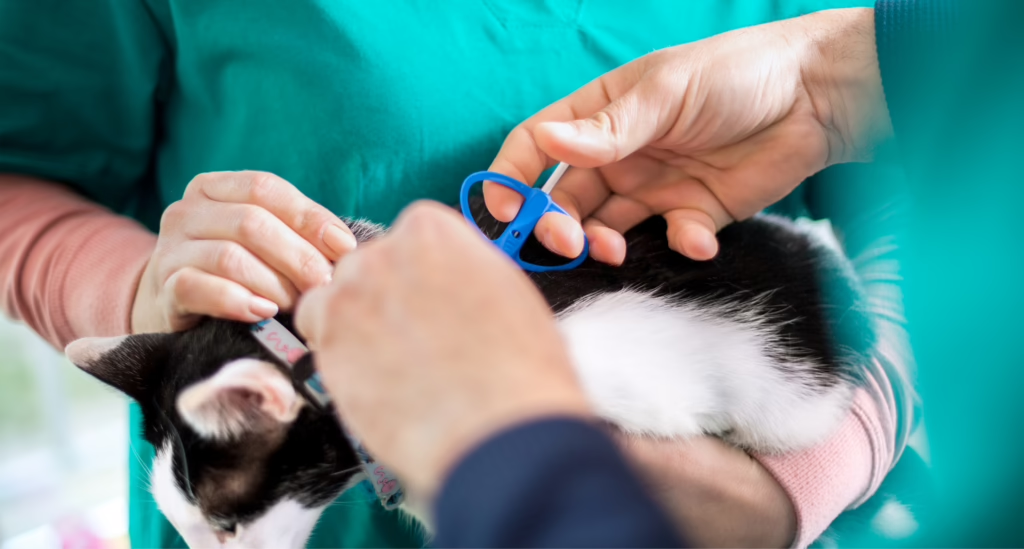
A pet microchip is a tiny device, about the size of a grain of rice, implanted just beneath your pet’s skin between the shoulder blades. Each chip contains a unique identification number linked to your contact information in a secure database. Unlike collars and tags, microchips cannot fall off or break.
If your pet is found and brought to a veterinary clinic or shelter, staff can scan the chip and contact you directly.
Does Microchipping Actually Work?
According to studies published in the American Veterinary Medical Association journals, microchipped dogs are more than twice as likely to be returned to their owners, while microchipped cats are returned at significantly higher rates compared to cats without chips.
Many lost pets arrive at shelters without collars or ID tags. A microchip provides a permanent form of identification that stays with your pet for life.
Is Microchipping Safe for Dogs and Cats?
Microchipping is considered very safe by veterinary professionals and animal welfare organizations.
The procedure:
- Takes only a few seconds
- Can be done on a walk-in basis at HSU’s clinics with no office or exam fee
- Does not require anesthesia
- Feels similar to a routine vaccine
Common Questions About Pet Microchips
Can a microchip track my pet’s location?
No. Microchips are not GPS trackers.
A microchip only stores identification information that can be read with a scanner at a veterinary clinic or shelter.
Does my indoor cat really need a microchip?
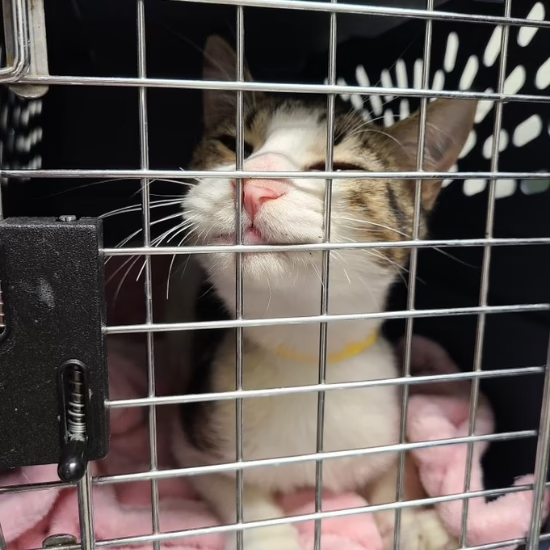
Absolutely. Indoor cats frequently escape through open doors, damaged screens, moving days, or unexpected emergencies. Many owners assume it will never happen until it does.
Cats without identification are often much harder to reunite with their owners because they may not wear collars regularly.
Do I still need ID tags?
Yes.
Microchips and visible ID tags work best together. Tags allow someone to contact you immediately without needing a scanner. Think of it as a backup system.
One Important Step Many Owners Forget
Getting the microchip implanted is only half the process.
You must register the chip and keep your contact information updated if you:
- Move
- Change phone numbers
- Change email addresses
- Transfer ownership of the pet
An outdated microchip registration is one of the biggest reasons chipped pets cannot be reunited quickly with their families.
Affordable Microchipping at the Humane Society of Utah
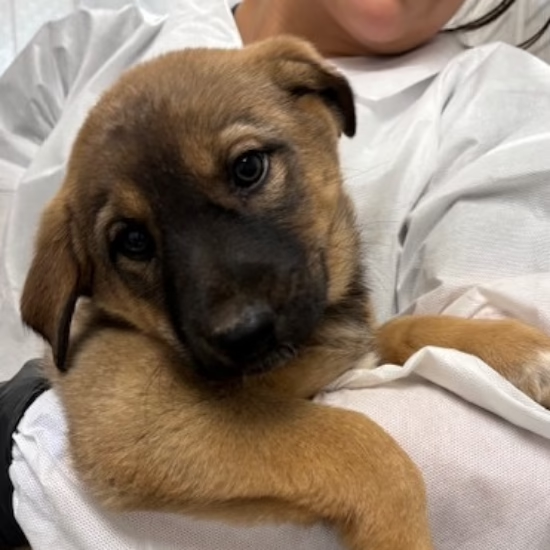
The Humane Society of Utah offers affordable microchipping services at its preventative care clinics to help make lost-pet prevention more accessible for more families.
You can learn more or schedule an appointment through HSU’s clinic pages:
HSU clinics also provide:
- Low-cost vaccines
- Spay/neuter services
- Wellness care
- Preventative veterinary services
Preventative care, identification, and accessible veterinary support all play an important role in helping pets stay healthy, safe, and with the families who love them.
Why National Chip Your Pet Month Matters
Losing a pet is terrifying. For many families, pets are companions, emotional support systems, adventure buddies, couch warmers, professional snack supervisors, and full-fledged family members rolled into one furry package.
Microchipping cannot prevent pets from getting lost, but it can dramatically improve the chances of bringing them home safely. And sometimes, a tiny chip the size of a grain of rice can make the difference between a temporary scare and a permanent goodbye.